A clean and organized home can make everyday life easier, more comfortable, and less stressful. However, keeping your home clutter-free can feel challenging when you have limited storage space, busy routines, or too many belongings. The good news is that you don’t need an expensive makeover to create a tidy and beautiful home.
With a few simple changes, smart storage solutions, and practical daily habits, you can transform your living space into a more organized environment. In this guide, EditProTips shares 15 home organization ideas for a clutter-free space that you can use in your bedroom, kitchen, living room, bathroom, and other areas of your home.
Whether you live in a small apartment or a large house, these ideas will help you save space, reduce mess, and create a home that feels fresh and inviting.
Table of Contents
Why Is Home Organization Important?
Home organization is about more than making your rooms look attractive. It helps you find everyday items quickly, use available space efficiently, and maintain a cleaner environment.
Here are some benefits of organizing your home:
- Saves time: You spend less time searching for keys, clothes, documents, and other essentials.
- Reduces clutter: Everything has a designated place, making it easier to keep surfaces clear.
- Improves functionality: Organized rooms are easier to clean and use.
- Makes small spaces feel larger: Smart storage helps you make better use of every corner.
- Encourages better habits: Simple organizing routines can make everyday cleaning more manageable.
15 Home Organization Ideas for a Clutter-Free Space
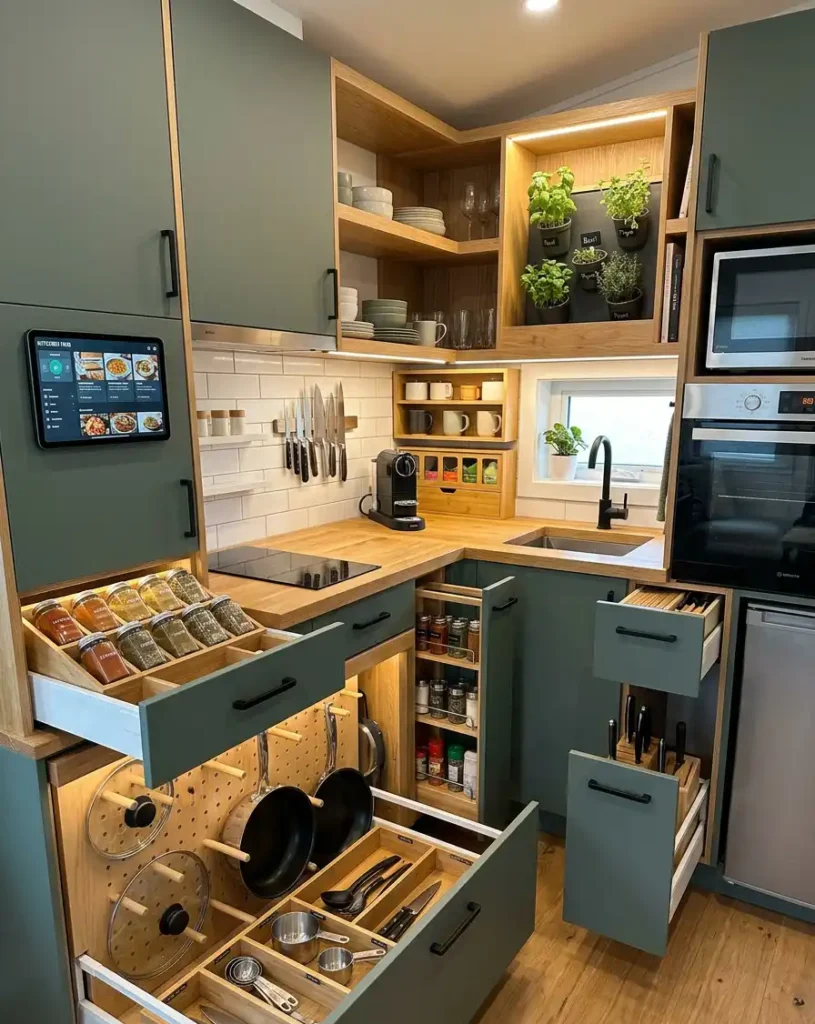
1. Declutter One Room at a Time
The first step toward an organized home is removing items you no longer need. Trying to organize your entire house at once can feel overwhelming, so start with one room or even one drawer.
Separate your belongings into four groups: keep, donate, recycle, and discard. Keep useful items that you regularly use, and find a new home for things that are still in good condition but no longer serve you.
Quick tip: Spend 10–15 minutes decluttering one small area each day. Small efforts can lead to noticeable progress.
2. Use Storage Baskets and Boxes
Storage baskets and boxes are simple tools for keeping everyday items organized. Use them for toys, blankets, books, accessories, cleaning supplies, or miscellaneous household items.
Choose containers that fit your shelves or cabinets. Matching baskets can also create a more coordinated look.
Label each container so everyone in the household knows where items belong. This makes it easier to put things away after use.
3. Organize Your Kitchen Cabinets
Kitchen cabinets can quickly become crowded with dishes, cookware, food containers, and pantry supplies. Make your kitchen more functional by grouping similar items together.
Keep plates and glasses near the dishwasher or sink, store cooking tools near the stove, and place frequently used ingredients where they are easy to reach.
Use shelf risers, drawer dividers, and stackable containers to make better use of available space.
Quick tip: Remove expired food and donate or recycle unused items when appropriate before rearranging your cabinets.

4. Maximize Vertical Storage Space
When floor space is limited, look upward. Walls, tall shelves, and the space above furniture can provide valuable storage opportunities.
Install shelves for books, decorative objects, folded towels, or storage baskets. Wall hooks can hold bags, hats, coats, and everyday accessories.
In small homes, vertical storage helps keep floors clear while making essential belongings accessible.
Always use appropriate wall fixings and follow the manufacturer’s weight limits when installing shelves.
5. Create an Organized Entryway
The entryway is often where shoes, keys, bags, mail, and jackets accumulate. Creating a dedicated place for these items can prevent clutter from spreading throughout the home.
Use a small shoe rack, wall hooks, a tray for keys, and a basket for incoming mail. If you have limited room, choose a narrow console table or a wall-mounted organizer.
Make it a habit to return shoes, bags, and keys to their designated spots whenever you enter your home.
6. Keep Your Bedroom Closet Tidy
A well-organized closet makes getting dressed easier and helps you see what you already own.
Start by removing clothes that no longer fit or that you do not wear. Then group clothing by type, such as shirts, trousers, dresses, and outerwear.
Use matching hangers, shelf dividers, and storage boxes for accessories. Store seasonal clothing separately if you have enough space.
Quick tip: Keep everyday clothes at eye level and less frequently used items on higher shelves.
7. Use Drawer Dividers for Small Items
Drawers often become messy because small items are mixed together. Drawer dividers create separate sections for different belongings.
Use them in bedroom drawers for socks and accessories, in kitchen drawers for utensils, or in bathroom drawers for personal-care products.
You can purchase adjustable dividers or repurpose suitable small containers you already own.
The goal is to give every item a clear place so you can find what you need without emptying the entire drawer.
8. Organize Your Bathroom Essentials
Bathrooms usually contain skincare products, toiletries, towels, medicines, and cleaning supplies. Without a system, cabinets and countertops can become crowded.
Use small baskets to group similar products together. Keep daily essentials in an accessible tray and store extra supplies in a cabinet or labeled container.
Use drawer organizers for cosmetics and personal-care items. Regularly check product expiration dates and safely dispose of items you no longer need.
For safety, store medicines according to their labels and keep them away from children.
9. Make Better Use of Under-Bed Storage
The space beneath your bed can be useful for storing belongings that you do not need every day.
Choose low-profile containers with lids or under-bed storage bags for extra bedding, seasonal clothing, or spare pillows.
Before storing anything, make sure the area is clean and dry. Use sealed containers when appropriate to protect items from dust.
Avoid placing frequently used belongings under the bed if accessing them would make your daily routine inconvenient.
10. Create a Paperwork Organization System
Bills, receipts, warranties, school papers, and important documents can easily pile up on desks and countertops.
Create a simple filing system with labeled folders for household bills, financial records, warranties, and personal documents.
Keep important paperwork in a secure, dry location. Digitize documents when appropriate, but protect sensitive information and retain original documents when necessary.
Set aside a few minutes each week to review incoming mail and file or dispose of it appropriately.

11. Use Multi-Purpose Furniture
Multi-purpose furniture can make a big difference in homes with limited storage.
Consider an ottoman with hidden storage, a bed with built-in drawers, a storage bench, or a coffee table with shelves.
These pieces allow you to store blankets, books, toys, and other belongings without adding extra cabinets to the room.
Before buying new furniture, measure your space and check whether the item will fit comfortably without blocking walkways.
12. Organize Cables and Electronic Accessories
Charging cables, headphones, adapters, and electronic accessories can create clutter around desks and entertainment units.
Use cable clips, reusable cable ties, or labeled pouches to keep cords organized. Store spare chargers and accessories in one designated box.
Label similar-looking cables if you regularly use several devices. Keep electrical connections accessible and avoid overloading power strips.
A tidy charging station can make your workspace look cleaner and help you locate accessories quickly.
13. Keep Your Living Room Surfaces Clear
Coffee tables, side tables, and shelves often become collection points for remote controls, magazines, toys, and other miscellaneous objects.
Choose a small tray for frequently used items and a basket for blankets or magazines. Keep decorative accessories to a manageable number so surfaces remain functional.
At the end of each day, return misplaced belongings to their proper locations.
You do not need to remove every decorative item. The aim is to create a balance between personal style and practical organization.
14. Build a Simple Daily Cleaning Routine
Even a beautifully organized home can become cluttered without regular maintenance. A short daily routine helps prevent small messes from becoming larger tasks.
Try these simple habits:
- Make your bed each morning.
- Put away items after using them.
- Wash dishes or load the dishwasher after meals.
- Return clothes to their proper places.
- Spend five to ten minutes tidying shared spaces before bedtime.
Choose habits that fit your schedule instead of trying to follow an unrealistic cleaning routine.
Consistency matters more than perfection. A few minutes each day can make weekly cleaning easier.
15. Follow the One-In, One-Out Rule
One useful way to prevent clutter from returning is to follow the one-in, one-out rule. Whenever you bring a new item into your home, consider removing an existing item of the same type that you no longer need.
For example, if you buy a new shirt, donate or responsibly recycle an old one when appropriate. If you purchase a new kitchen gadget, review whether you still need a similar item.
This approach encourages mindful shopping and helps you maintain the storage space you already have.

Bonus Tips for Keeping Your Home Clutter-Free
Once you have organized your home, use these extra tips to maintain your progress:
- Give every item a home: Avoid leaving belongings in random places.
- Avoid unnecessary purchases: Think about where an item will be stored before buying it.
- Use labels: Labels make shared storage systems easier to understand.
- Review your belongings regularly: Schedule a short decluttering session every month.
- Make organization practical: Store frequently used items where they are easy to reach.
- Involve the household: Encourage everyone to return their belongings to their designated places.
Remember that an organized home does not need to look perfect all the time. The best system is one that works for your lifestyle and is easy to maintain.
Frequently Asked Questions
What is the easiest way to organize a cluttered home?
Start with one small area, such as a drawer, shelf, or countertop. Remove items you no longer need, group similar belongings together, and assign each item a designated place. Repeat the process gradually throughout your home.
How can I organize my home on a budget?
Use containers you already own, repurpose sturdy boxes, label existing baskets, and rearrange furniture to improve storage. Decluttering before purchasing organizers can help you avoid unnecessary expenses.
How do I keep my home clutter-free every day?
Put belongings away after use, clear kitchen and bathroom surfaces, sort incoming mail, and spend five to ten minutes tidying each day. Consistent small habits are easier to maintain than occasional major cleanups.
What are the best home organization ideas for small spaces?
Use vertical shelving, under-bed storage, drawer dividers, wall hooks, and multi-purpose furniture. These solutions help you use available space efficiently without overcrowding rooms.
How often should I declutter my home?
A short daily or weekly reset can prevent clutter from building up. Review larger areas monthly or seasonally, depending on your needs and how quickly items accumulate.
Conclusion
Creating a clutter-free home does not require expensive furniture, complicated storage systems, or an entire weekend of cleaning. By using these 15 home organization ideas for a clutter-free space, you can make your rooms more functional, improve your storage, and develop habits that help keep clutter under control.
Start with one simple change today, such as organizing a drawer, clearing your kitchen counter, or creating a dedicated space for your keys. As you continue, you will discover which organization methods work best for your home and lifestyle.