Welcome to EditPro Tips! If you are planning an international trip, keeping track of the Latest Global Travel Updates can help you prepare for changing travel rules, flight disruptions, visa requirements, and new tourism trends. Whether you are planning a family holiday, a solo adventure, or a business trip, understanding the latest developments can make your journey smoother and more organized.
In 2026, international travel continues to evolve as countries improve border technology, airlines adjust their operations, and travelers look for more affordable, flexible, and sustainable experiences. However, geopolitical tensions, rising travel costs, and extreme weather can affect travel plans.
In this article, we explore important global travel developments, international travel alerts, tourism trends, and practical tips to help you prepare for your next journey.
Table of Contents
What Are the Latest Global Travel Updates in 2026?
The Latest Global Travel Updates cover important changes affecting international tourists, including immigration policies, airport procedures, airline services, destination safety, and tourism demand.
According to UN Tourism, approximately 690 million international tourist arrivals were recorded worldwide during the first half of 2026. This represented a modest increase compared with the same period in 2025, although regional performance varied significantly.
Travel demand remains resilient, but rising costs and geopolitical uncertainty continue to influence where people travel and how they plan their holidays.
Travelers should pay attention to these major developments:
- Changes in visa and entry requirements.
- New digital border-control systems.
- Flight delays, cancellations, and route changes.
- Weather-related travel disruptions.
- Rising hotel, transport, and airfare costs.
- Growing interest in sustainable and experience-based tourism.
Checking reliable information before departure is essential because travel conditions can change quickly.

1. International Travel Alerts and Safety Updates
Travel safety remains one of the most important considerations for international tourists in 2026. Political tensions, regional conflicts, natural disasters, and public emergencies can affect transportation and access to popular destinations.
Before traveling internationally, check your government’s official travel advisory for your destination. Review warnings about security conditions, demonstrations, health risks, border closures, and transportation disruptions.
Travelers should also monitor announcements from their airlines and airports. Even when a destination remains open, particular airports or flight routes may experience interruptions.
Important travel safety tips:
- Check official travel advisories before booking and before departure.
- Keep your passport, visa documents, and travel insurance information accessible.
- Register with your country’s travel notification service if one is available.
- Share your itinerary and emergency contact details with someone you trust.
- Follow instructions issued by local authorities.
- Avoid areas affected by active security incidents or severe weather.
Travel advisories can differ between governments and may change at short notice. Always confirm the latest information for your nationality, destination, and planned route.
2. Europe Travel Updates: EES and ETIAS
Europe’s border procedures are an important part of the Latest Global Travel Updates in 2026.
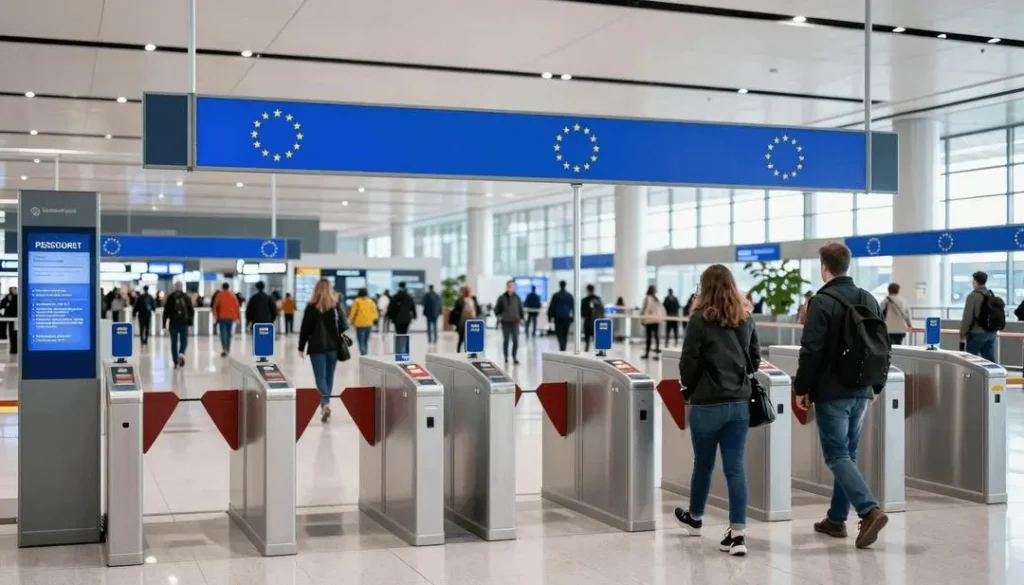
The European Union’s Entry/Exit System (EES) became fully operational on April 10, 2026. It records information about non-EU nationals entering or leaving participating Schengen countries for short stays.
Depending on the traveler’s circumstances, border authorities may collect passport details, facial images, and fingerprints. These procedures are designed to modernize border management and improve the monitoring of permitted stays.
The European Travel Information and Authorisation System (ETIAS) is a separate system intended for eligible visa-exempt travelers.
As of the latest official information available for this article, ETIAS is scheduled to begin operating in the last quarter of 2026, with the exact launch date to be announced by the European Union.
Travelers should remember the following:
- EES is a border registration system, not a visa application.
- ETIAS is a travel authorization for eligible visa-exempt nationals, not a replacement for a visa when one is required.
- Nationality, passport type, destination, and length of stay determine which requirements apply.
- Travelers should consult official European Union information before making travel arrangements.
Visit the official European ETIAS website for the latest launch information and eligibility requirements.
3. Global Flight Updates and Airline Changes
Air travel remains essential for international tourism, business trips, and visits to friends and relatives. However, airline schedules can be affected by airspace restrictions, operational problems, staffing shortages, severe weather, and changes in fuel costs.
In 2026, travelers should not assume that a previously available flight will operate exactly as scheduled.
Before leaving for the airport, confirm your flight status directly with the airline. Check for changes to departure times, terminal information, baggage rules, and connecting flights.
Consider these practical steps:
- Book flights through reputable airlines or travel agencies.
- Provide accurate contact information when making reservations.
- Allow enough time for international connections.
- Review the airline’s cancellation and rebooking policies.
- Keep essential medication and important documents in your hand luggage.
- Save receipts and written notifications if a disruption affects your trip.
If your flight is canceled, contact the airline to understand your rebooking options and any refund or compensation rights under the applicable rules.
For travelers flying through regions affected by security concerns, checking the operating status of both departure and connecting airports is particularly important.

4. International Tourism Trends in 2026
Tourism continues to develop as travelers seek meaningful experiences, better value, and more flexible itineraries.
The World Economic Forum’s 2026 Travel & Tourism Development Index reported improvements in tourism development conditions across many economies. At the same time, rising costs, geopolitical uncertainty, climate pressures, and infrastructure challenges remain important concerns.
Several trends are shaping international travel this year.
Sustainable Travel
More travelers are considering the environmental and social effects of their holidays. Sustainable travel can include using public transport, supporting local businesses, reducing waste, and choosing accommodation with credible environmental practices.
Travelers can make more responsible choices without giving up the experiences they enjoy.
Experience-Based Tourism
Many visitors want more than sightseeing. Local food tours, cultural activities, hiking, community experiences, and traditional festivals can provide a deeper understanding of a destination.
Booking smaller-group experiences and visiting less crowded areas may also help travelers discover places beyond the most famous attractions.
Flexible Travel Planning
Uncertainty has made flexibility increasingly valuable. Travelers may prefer accommodation with reasonable cancellation terms, refundable bookings when affordable, and itineraries that allow time for unexpected changes.
Always read the conditions carefully because flexible booking options may cost more or include specific restrictions.
Digital Travel Tools
Mobile boarding passes, digital maps, online reservations, translation apps, and travel-planning tools help travelers organize trips more efficiently.
Artificial intelligence is also influencing travel research and itinerary planning. However, travelers should verify AI-generated recommendations, prices, opening hours, visa requirements, and safety information through authoritative sources.
5. Visa and Passport Requirements Around the World
Visa and passport rules are among the most important things to check before an international trip.
Requirements vary according to nationality, destination, purpose of travel, and length of stay. A country that allows visa-free tourism for one passport holder may require another traveler to obtain a visa in advance.
Some destinations also require electronic travel authorizations, proof of accommodation, return tickets, sufficient funds, or evidence of onward travel.
Before booking, check:
- Whether your passport is valid for the required period.
- Whether you need a visa or electronic authorization.
- Whether transit passengers need separate documentation.
- Whether your destination requires arrival forms or health documentation.
- Whether your passport details match your flight reservation.
- Whether children traveling internationally need additional documents.
Apply for visas well in advance when required. Processing times can vary, and submitting an application does not guarantee approval.
Use official government immigration websites and embassy information rather than relying exclusively on social media posts or unofficial visa services.
6. Rising Travel Costs and Budget Planning
Travel budgets remain an important concern in 2026. Airfares, accommodation, meals, local transportation, insurance, and attraction tickets can make international trips expensive.
Prices vary by destination, season, demand, and booking conditions. Travelers can often improve their budgets by planning early and comparing the total cost of different options.
Here are some useful ways to manage expenses:
- Book strategically: Compare prices across several dates and airports where practical.
- Travel outside peak periods: Visiting during a destination’s quieter season may reduce accommodation and transportation costs.
- Compare accommodation: Consider hotels, guesthouses, apartments, and other reputable options based on your needs.
- Check baggage allowances: Additional luggage charges can significantly increase the cost of a low-priced flight.
- Plan local transport: Research public transport passes, airport transfers, and walking routes before arrival.
- Keep emergency funds: Reserve money for unexpected accommodation, transportation, or medical expenses.
A low headline price does not always represent the best deal. Compare baggage fees, cancellation conditions, transfers, and other additional charges before purchasing.
7. Weather Alerts and Climate-Related Travel Disruptions
Weather conditions can influence travel at any time of year. Hurricanes, tropical storms, floods, wildfires, heatwaves, heavy snowfall, and extreme rainfall can disrupt flights and close roads or attractions.
Climate-related risks can also vary within the same country. A destination may be suitable for travel in one region while another region faces severe conditions.
Before traveling, review the local forecast and official emergency announcements. If a serious weather warning is issued, follow instructions from local authorities and your accommodation provider.
Useful precautions include:
- Avoiding travel through flooded roads.
- Carrying suitable clothing for expected conditions.
- Keeping drinking water available in hot climates.
- Checking whether outdoor attractions remain open.
- Understanding your travel insurance’s weather-related coverage.
- Keeping alternative transportation and accommodation options in mind.
Do not rely on old travel articles for current weather conditions. Forecasts and emergency instructions should be checked close to departure and throughout your trip.
8. Popular Destinations and Changing Tourism Demand
International tourism performance differs across regions.
UN Tourism reported that Europe and Africa recorded comparatively strong international arrival growth during the first half of 2026, while the Middle East experienced a substantial decline amid regional conflict and associated travel disruption.
These figures describe regional trends rather than the safety or suitability of every individual destination.
When choosing where to travel, consider more than popularity. Look at the current security situation, entry requirements, transport connections, local weather, accommodation availability, and your personal budget.
A destination that attracts large numbers of visitors may still experience seasonal crowding, high prices, or pressure on local infrastructure.
Researching alternatives and traveling during less crowded periods can help you find experiences that better match your interests.
9. Travel Insurance and Emergency Preparation
Travel insurance can help protect against certain unexpected expenses, depending on the policy. Coverage may include eligible medical emergencies, trip cancellations, delays, lost baggage, or emergency transportation.
However, policies differ considerably. Some exclude particular activities, pre-existing circumstances, or events associated with known risks and government travel warnings.
Before purchasing insurance, review the policy carefully and confirm whether it covers your destination, trip dates, planned activities, and relevant disruptions.
Keep digital and physical copies of important documents where practical. Store emergency contacts separately from your phone, and know how to contact local emergency services.
If your destination’s security situation changes before departure, contact your insurer, airline, and accommodation provider to understand your available options.

10. Smart Travel Planning Tips for 2026
A successful international trip begins with preparation. The following checklist can help you organize your next journey.
- Confirm passport validity and visa requirements.
- Check official travel advisories for your destination.
- Verify flight times and airport information.
- Review hotel reservations and cancellation policies.
- Purchase appropriate travel insurance.
- Research local customs, laws, and transportation.
- Check weather forecasts before departure.
- Keep digital copies of important travel documents.
- Carry suitable payment methods and emergency funds.
- Monitor official updates while traveling.
These steps can reduce avoidable problems and make it easier to respond if conditions change.
Frequently Asked Questions
What are the Latest Global Travel Updates in 2026?
Major developments include changes to European border procedures, evolving visa requirements, flight disruptions, changing tourism demand, rising travel costs, and weather-related travel alerts.
How can I check international travel alerts?
Check your government’s official travel advisory website, the destination country’s government announcements, and your airline’s flight-status service. Recheck these sources before departure.
What is the difference between EES and ETIAS?
EES records entry and exit information for eligible non-EU travelers at participating European borders. ETIAS is a separate travel authorization intended for eligible visa-exempt visitors once the system becomes operational.
Is international travel safe in 2026?
Safety depends on the destination, travel route, current conditions, and individual circumstances. Review official advisories and local instructions before deciding whether to travel.
How can I save money on international travel?
Compare travel dates, accommodation, transport, and baggage fees. Consider less crowded travel periods and keep an emergency budget for unexpected expenses.
Why do flight schedules change?
Flights can change because of weather, operational issues, airspace restrictions, security concerns, and other factors. Confirm your flight directly with the airline before leaving for the airport.
Why should I buy travel insurance?
Travel insurance may help cover eligible unexpected costs, including certain medical emergencies, cancellations, delays, or baggage problems. Coverage depends on the policy’s terms and exclusions.
Conclusion
The Latest Global Travel Updates show that international travel in 2026 offers many opportunities alongside important challenges. Digital border systems, evolving tourism preferences, changing airline operations, rising expenses, and regional security concerns all influence how travelers prepare for their journeys.
The best approach is to plan ahead, verify travel requirements through official sources, monitor flight and weather updates, and choose suitable insurance and flexible bookings where possible.
Whether you are traveling for leisure, education, business, or adventure, staying informed can help you make better decisions and prepare for unexpected changes.