Social media is changing rapidly in 2026, creating new opportunities for creators, businesses, influencers, and digital marketers. From short-form videos and artificial intelligence (AI) to social search and creator partnerships, understanding the latest Social Media Trends can help you reach more people, build a loyal audience, and improve your online presence.
Whether you use Instagram, TikTok, Facebook, YouTube, or LinkedIn, staying updated with emerging trends is essential for long-term growth. Instead of following every viral challenge, focus on trends that match your audience, goals, and content style.
In this guide, EditProTips explores the biggest social media trends of 2026 and shares practical tips to help you stay ahead of the competition.
Table of Contents
What Are Social Media Trends?
Social media trends are popular ideas, content formats, online behaviors, and marketing strategies that gain attention across social networking platforms. These trends can include viral videos, trending audio, AI-generated content, influencer collaborations, memes, and new platform features.
Social media trends change frequently. A video format that attracts millions of views today may lose popularity tomorrow. That’s why creators and businesses should monitor audience interests, experiment with new formats, and measure results instead of relying entirely on viral content.
In 2026, important trends include short-form video, authentic storytelling, AI-assisted content creation, social media search, online communities, and social commerce. Industry research also highlights the growing importance of human creativity alongside AI-powered tools.
Top 10 Social Media Trends in 2026
1. Short-Form Videos Continue to Dominate
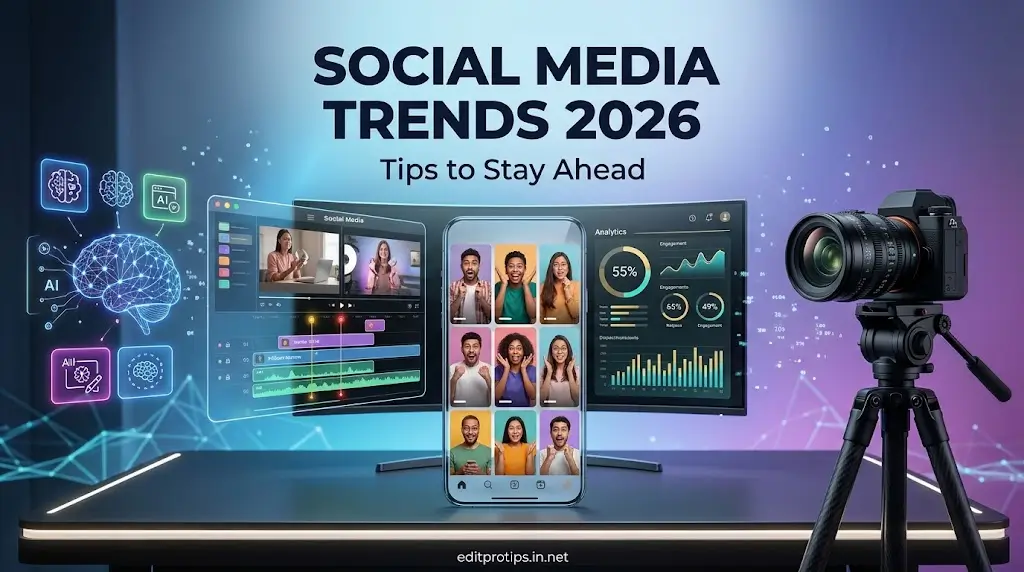
Short-form video remains one of the most important social media trends in 2026. Instagram Reels, TikTok videos, YouTube Shorts, and Facebook Reels allow creators to share entertaining or educational content in a format that is easy to watch and share.
Short videos can help creators introduce new ideas, demonstrate products, share quick tutorials, and connect with audiences. However, success depends on the quality and relevance of the content rather than simply posting frequently.
How to use this trend:
- Create videos that capture attention within the opening seconds.
- Share quick tutorials, before-and-after edits, and useful tips.
- Use captions so viewers can understand your message without sound.
- Experiment with different video lengths and storytelling styles.
- Include a clear call to action when appropriate.
For creators interested in video editing, CapCut templates, VN codes, and creative transitions can help produce engaging videos efficiently.
2. Artificial Intelligence Is Transforming Content Creation
Artificial intelligence is becoming an important part of social media marketing. AI tools can assist with brainstorming, writing captions, generating images, editing videos, analyzing performance, and planning content calendars.
Creators can use AI to speed up repetitive tasks and explore new creative ideas. For example, an AI writing assistant can suggest video hooks, while an AI image tool can help develop visual concepts for a campaign.
However, publishing large amounts of generic AI-generated content may make it harder to stand out. Human creativity, original experiences, and fact-checking remain important.
How to use this trend:
- Generate fresh content ideas with AI assistance.
- Create caption drafts and improve them with your own voice.
- Use AI editing tools to save time.
- Review generated information before publishing.
- Follow platform rules for disclosing AI-generated or manipulated content when required.
The best approach is to use AI as a creative assistant rather than a complete replacement for your own ideas.

3. Authentic Content Builds Stronger Connections
Audiences increasingly value content that feels genuine, relatable, and useful. Highly polished posts can still work, but creators do not always need expensive equipment or professional production to communicate effectively.
Behind-the-scenes clips, honest product demonstrations, personal lessons, and realistic editing tutorials can make a creator or brand feel more approachable.
Authenticity also means being transparent about sponsorships, partnerships, and product recommendations.
Tips for creating authentic content:
- Share real experiences and practical lessons.
- Show the process behind your finished work.
- Avoid exaggerated claims and misleading promises.
- Respond to comments in a natural, respectful way.
- Develop a recognizable style and consistent voice.
Authentic content gives audiences a reason to trust your work and return for more.
4. Social Media Is Becoming a Search Engine
Many users now search social platforms for product reviews, travel ideas, editing tutorials, recipes, educational videos, and recommendations. This makes social media search optimization an important strategy in 2026.
Instead of relying only on hashtags, creators should make their content easy for people and platform search systems to understand.
For example, a video about photo editing could use a clear title such as “How to Create a Cinematic Photo Edit.” Relevant spoken words, on-screen text, captions, and descriptions can reinforce the topic.
How to optimize your content for social search:
- Research the phrases your audience actually searches for.
- Include your main topic naturally in captions and titles.
- Add readable on-screen text.
- Answer a specific question in each post.
- Use relevant hashtags instead of adding unrelated popular tags.
- Organize longer videos and educational posts around clear topics.
Social search optimization helps your content reach people who are actively looking for the information you provide.
5. Micro-Influencers Are Gaining Attention
Influencer marketing continues to evolve, with brands increasingly considering smaller creators who have focused audiences and strong community relationships.
Micro-influencers often create content around specific interests, such as beauty, fitness, technology, gaming, education, travel, or photography. Their smaller audiences can still be valuable when followers trust their recommendations.
A successful partnership depends on audience relevance, engagement quality, credibility, and campaign objectives—not follower count alone.
Tips for working with micro-influencers:
- Choose creators whose audiences match your target market.
- Review the quality of comments and interactions.
- Set clear campaign goals before collaborating.
- Allow creators to communicate in their own style.
- Track results such as clicks, conversions, and meaningful engagement.
For smaller businesses, working with several relevant creators may be worth testing before committing to a large influencer campaign.
6. Social Commerce Makes Shopping More Convenient
Social commerce allows users to discover products, view demonstrations, and make purchases through supported social media shopping features. For businesses, this creates opportunities to connect product discovery with the buying process.
Product demonstrations, creator reviews, livestream shopping, and user-generated content can help customers understand how an item works before purchasing it.
Available shopping features vary by country and platform, so businesses should confirm which options are supported in their market.
How to benefit from social commerce:
- Demonstrate products in real-world situations.
- Provide accurate product details and pricing.
- Answer common questions in comments or direct messages.
- Use clear calls to action.
- Make purchasing steps as simple as possible.
- Track sales and conversions instead of measuring success through views alone.
Trust is essential. Honest demonstrations and transparent partnerships are more sustainable than misleading promotions.
7. Community Building Is More Important Than Ever
Building a loyal community can be more valuable than attracting a large number of viewers who never interact with your content.
Communities develop when people share interests, ask questions, exchange experiences, and feel that their participation matters. Creators can encourage this through comment discussions, broadcast channels, groups, live sessions, and other community features.
Ways to build an active community:
- Reply to thoughtful comments.
- Ask questions that invite useful discussion.
- Share audience contributions with permission.
- Create recurring content series.
- Ask followers which topics they want to learn about.
- Establish clear rules that encourage respectful participation.
A strong community can support long-term growth even when platform algorithms change.
8. User-Generated Content Encourages Trust
User-generated content (UGC) includes photos, videos, reviews, testimonials, and other material created by customers or community members.
When genuine, this content can show how products, services, or creative techniques work in real situations. It also gives audiences a wider range of perspectives than traditional promotional posts alone.
For example, a photo-editing page might invite followers to share their results using a particular editing technique. A business could ask customers to submit product demonstrations or reviews.
How to encourage UGC:
- Create simple, relevant participation challenges.
- Ask customers for honest feedback.
- Request permission before reposting content.
- Credit the original creator where appropriate.
- Disclose incentives or commercial relationships.
- Avoid presenting fabricated testimonials as genuine customer experiences.
UGC works best when participation is voluntary and the content remains credible.
9. Social Media Trends Are Becoming More Personalized
Audiences have different interests, and platforms increasingly recommend content based on user behavior, preferences, and interactions. This means creators should focus on serving a clear audience instead of trying to appeal to everyone.
A photography creator, for example, might publish separate content about beginner editing, advanced color grading, and mobile photography. Each topic serves a different audience need while remaining connected to the overall brand.
How to create more relevant content:
- Identify your audience’s main interests and challenges.
- Study which posts generate saves, shares, and meaningful comments.
- Develop recurring content categories.
- Test different hooks and presentation styles.
- Use audience feedback to improve future posts.
Personalization does not require a separate post for every individual. It means making your content relevant to the people you want to reach.
10. Social Media Analytics Drive Smarter Decisions
Publishing content without reviewing its performance makes it difficult to understand what works. Analytics help creators identify successful formats, improve weak posts, and make better decisions about their time.
Important metrics vary depending on your goals. A brand focused on awareness may prioritize reach and video views, while an educational creator may care more about saves, shares, and returning viewers.
Metrics worth monitoring include:
- Reach and impressions
- Video views and average watch time
- Audience retention
- Likes, comments, saves, and shares
- Profile visits and follower growth
- Link clicks and conversions
Review your results regularly and compare similar posts over time. Avoid judging a strategy based on a single upload, since performance can vary for many reasons.
How to Stay Ahead of Social Media Trends in 2026
Knowing the latest trends is only the first step. The real advantage comes from applying relevant ideas consistently and learning from the results.
1. Follow Reliable Trend Sources
Monitor platform creator updates, official business blogs, industry reports, and relevant creators in your niche. Look for repeated patterns rather than assuming that one viral post represents a lasting trend.
2. Experiment With New Formats
Test short videos, carousels, tutorials, live sessions, and behind-the-scenes content. Change one major element at a time when possible so you can better understand what influences performance.
3. Adapt Content for Each Platform
Avoid copying the exact same post everywhere without considering platform differences. A quick vertical tutorial may work well as a Reel or Short, while a detailed professional discussion may suit LinkedIn.
Reuse your core idea, but adjust the hook, caption, length, presentation, and call to action for each platform.
4. Create a Consistent Posting Schedule
Consistency helps you build a routine and gives you more opportunities to learn. Choose a schedule that you can maintain without sacrificing content quality.
A realistic schedule is better than posting constantly for a short period and then disappearing.
5. Focus on Value Before Virality
Useful content can attract an audience even when it does not become a viral hit. Teach a skill, solve a problem, answer a question, entertain your audience, or share an original perspective.
A sustainable social media strategy balances discovery with the long-term value you provide to followers.
6. Review Your Strategy Every Month
Set aside time to examine your best-performing posts, audience feedback, and business results. Keep formats that consistently support your goals, improve weaker areas, and stop investing heavily in approaches that no longer work.
A Simple 7-Day Social Media Content Plan
Use this example as a starting point and adjust it to your niche and audience.
| Day | Content idea | Main goal |
|---|---|---|
| Monday | Quick tips or tutorial | Educate |
| Tuesday | Short-form video | Reach new viewers |
| Wednesday | Behind-the-scenes post | Build trust |
| Thursday | Carousel or step-by-step guide | Encourage saves |
| Friday | Trend-inspired creative video | Test discovery |
| Saturday | Poll, question, or community post | Encourage interaction |
| Sunday | Weekly recap or useful recommendation | Build loyalty |
This schedule is flexible, not a rule. You can publish less frequently or change the formats based on your available time and audience response.

Common Social Media Mistakes to Avoid
Even a promising strategy can struggle when creators focus on the wrong priorities. Avoid these common mistakes:
- Chasing every viral trend: Choose trends that fit your audience and brand.
- Posting without a clear purpose: Give each post a goal, such as educating, entertaining, or generating leads.
- Using irrelevant hashtags: Keep hashtags closely related to the content.
- Ignoring comments: Meaningful conversations help you understand your audience.
- Publishing unoriginal content: Add your own experience, explanation, or creative perspective.
- Overusing AI: Review AI-assisted content carefully and keep your brand voice distinctive.
- Focusing only on likes: Track the metrics that align with your goals.
- Ignoring platform rules: Follow current requirements for copyright, advertising, privacy, and AI disclosures.
Avoiding these mistakes can make your social media strategy more focused and sustainable.
The Future of Social Media Beyond 2026
Social media will continue to evolve as platforms introduce new features, audiences change their habits, and technology advances. AI-assisted creation, social search, creator partnerships, interactive formats, and shopping experiences are all areas worth monitoring.
At the same time, technological changes do not remove the importance of useful information, creative storytelling, trust, and genuine audience relationships.
Creators and businesses that combine experimentation with a clear understanding of their audience will be better prepared to adapt to future developments.
Frequently Asked Questions
What are the biggest social media trends in 2026?
Major trends include short-form videos, AI-assisted content creation, authentic storytelling, social search optimization, micro-influencer partnerships, social commerce, user-generated content, community building, and analytics-driven decisions.
Which social media platform is best for growing in 2026?
The best platform depends on your audience and content. Instagram is useful for visual storytelling and community engagement, TikTok supports short-form discovery, YouTube offers both Shorts and longer videos, Facebook serves many communities, and LinkedIn is valuable for professional and business content.
Is short-form video still popular in 2026?
Yes. Short-form video remains an important format across major platforms. Tutorials, demonstrations, entertaining clips, and quick educational videos are useful starting points, although results depend on content quality and audience relevance.
How can beginners follow social media trends?
Beginners can monitor platform trend pages, study relevant creators, test a few content formats, and review their analytics. Start with trends that suit your interests instead of trying to follow everything at once.
How does AI help with social media marketing?
AI can assist with brainstorming, caption writing, content planning, image generation, video editing, and performance analysis. Human review remains important for accuracy, originality, transparency, and quality.
How often should I post on social media?
There is no universal posting frequency that guarantees growth. Choose a realistic schedule, maintain quality, and use performance data to determine what works for your audience.
Do hashtags still matter in 2026?
Relevant hashtags can help describe and categorize content, but they are only one part of discovery. Clear captions, meaningful keywords, strong visuals, and audience engagement also matter.
Conclusion
The most important Social Media Trends of 2026 reflect a shift toward engaging videos, AI-assisted creativity, authentic communication, social search, creator partnerships, and stronger online communities.
You do not need to adopt every new trend to grow successfully. Start by understanding your audience, choosing the platforms that fit your goals, experimenting with relevant content formats, and reviewing your results consistently.
For more creative inspiration, editing ideas, and digital content tips, keep exploring the topics that interest your audience and develop a style that makes your work recognizable.